
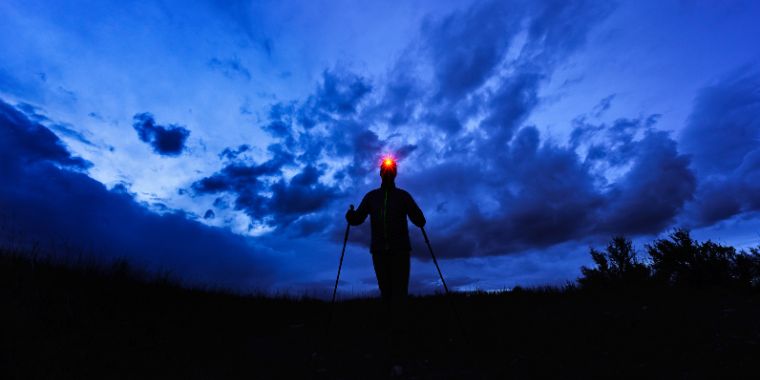
Are you planning a nighttime adventure on the trails? If so, safety should be your top priority. Night hiking with goggles can provide an enhanced experience, allowing you to see more clearly in the dark. However, it also presents its own set of challenges and potential risks. In this article, we will provide you with essential safety tips for night hiking with goggles, ensuring that you have a safe and enjoyable adventure. From proper preparation to staying aware of your surroundings, these tips will help you make the most of your nighttime hiking experience. So grab your goggles and get ready for an exciting journey under the stars!
Choosing the Right Goggles
When it comes to night hiking, choosing the right night vision goggles, is crucial for a safe and enjoyable experience. Here are a few key factors to consider when selecting your goggles.
Opt for goggles with adequate UV protection
UV rays can be harmful to both your eyes and your skin, so it’s important to opt for goggles that offer adequate UV protection. Look for goggles with a high UV rating to ensure that your eyes are shielded from the sun’s harmful rays.
Ensure the goggles fit snugly
To ensure maximum comfort and effectiveness, it’s important to choose goggles that fit snugly on your face. This will not only prevent any unwanted movement or slipping, but also help to keep out any dust, debris, or insects that may impede your vision.
Look for anti-fogging properties
One common issue that hikers face when wearing goggles is fogging. Foggy goggles can significantly impair your vision and make the hike more challenging. Look for goggles that have anti-fogging properties or consider using anti-fog sprays to keep your goggles clear throughout your adventure.
Preparation before Night Hiking
Before embarking on your night hike, it’s essential to properly prepare yourself. Here are some important steps to take before setting out. Also understanding the evolution of infrared technology can help you appreciate the capabilities of your night vision equipment.
Research the hiking route and conditions
Take the time to thoroughly research the hiking route and terrain you will be traversing. This will help you understand the challenges you may encounter, such as steep inclines, rocky terrain, or narrow paths. Knowing what to expect will allow you to make informed decisions and ensure your safety throughout the hike.
Check weather and visibility forecasts
The weather can greatly impact your night hiking experience. Before heading out, check weather forecasts to ensure you are adequately dressed and prepared for any potential changes in conditions. Additionally, it’s important to monitor visibility forecasts, as low visibility can make it more difficult to navigate the terrain.
Inform someone about your plans
Always inform a trusted friend or family member about your night hiking plans. Share details such as your intended route, estimated time of return, and any emergency contact numbers. This way, if anything were to go wrong, someone would be aware of your whereabouts and could alert authorities if necessary.
Pack essential gear and supplies
When packing for a night hike, it’s important to bring along the necessary gear and supplies. Make sure to pack a map, compass, extra layers of clothing, sufficient food and water, a first aid kit, and any other essentials for your hike. Be prepared for unexpected situations and ensure you have the necessary tools to handle them.
Ensure proper clothing and footwear
Wearing appropriate clothing and footwear is crucial for a comfortable and safe night hike. Choose clothing that is suitable for the weather conditions and will keep you warm and dry. Opt for sturdy, comfortable hiking boots that provide good ankle support and traction. This will help prevent slips, trips, and falls during your hike.
Carry a reliable flashlight or headlamp
One of the most important items to include in your night hiking gear is a reliable flashlight or headlamp. This will not only illuminate the path ahead, but also help you navigate any potential hazards or obstacles. Make sure the batteries are fully charged, and consider bringing spare batteries or a power bank for extended hikes.
Bring spare batteries or power banks
In addition to a reliable flashlight or headlamp, it’s always a good idea to bring spare batteries or a power bank. This will ensure that you have a backup power source if your primary one runs out. Having spare batteries or a power bank will give you peace of mind and keep you prepared for any unexpected situations.
Understanding Night Vision
Understanding the basics of night vision will greatly enhance your night hiking experience. Here are some key concepts to familiarize yourself with. You can also gain a deeper insight into how night vision works by exploring the hidden beauties of night vision.
Learn about scotopic and photopic vision
Scotopic vision refers to the vision in low-light conditions, such as nighttime, while photopic vision refers to the vision in bright conditions, such as during the day. Understanding how these two types of vision work can help you navigate the terrain more effectively and make informed decisions about when to use your goggles.
Understand the importance of dark adaptation
Dark adaptation is the process by which your eyes adjust to low-light conditions. This adjustment takes time, and it’s important to allow your eyes to fully adapt before relying solely on your night vision. Minimize exposure to bright lights before and during your night hike to allow your eyes to adapt more effectively.
Familiarize yourself with night vision limitations
While night vision goggles can greatly enhance your ability to see in low-light conditions, it’s important to acknowledge their limitations. Goggles can enhance your vision, but they may not be able to provide the same level of detail and clarity as daytime vision. Understanding these limitations will help manage your expectations.
Know how goggles aid night vision
Night vision goggles work by amplifying the available light and intensifying your vision in low-light conditions. The goggles use advanced technology to enhance your ability to see in the dark, making it easier to navigate the terrain and spot potential hazards. Understanding how goggles aid your night vision will give you a better appreciation for their benefits.
Using Goggles Correctly
To make the most of your night hiking experience, it’s important to use your goggles correctly. Follow these guidelines for optimal performance.
Ensure goggles are clean and free from scratches
Before heading out on your night hike, ensure that your goggles are clean and free from any scratches or smudges. Dirt, debris, or scratches can impair your vision and compromise the effectiveness of your goggles. Clean them thoroughly and use a soft cloth or designated cleaning solution to remove any marks.
Position goggles securely and comfortably
Proper positioning of your goggles is essential for maximum comfort and effectiveness. Make sure the goggles are securely fastened to your face but not too tight to cause discomfort. Adjust the straps and nose bridge if necessary to achieve a snug and comfortable fit.
Avoid obstructing your peripheral vision
While wearing goggles, it’s important to avoid obstructing your peripheral vision. This is especially important during a night hike when you need to be aware of your surroundings. Ensure that your goggles allow for a wide field of view, so you can spot potential hazards or wildlife outside your direct line of sight.
Make necessary adjustments for optimal vision
Each individual’s eyesight is different, so it’s important to make the necessary adjustments for optimal vision. Some goggles allow for adjustments such as lens focus or interpupillary distance. Take the time to ensure that your goggles are set up correctly to suit your eyesight and provide the best possible vision during your hike.
Learn more about the best practices for using your goggles by checking out our guide on enhancing night-time visibility with NV HMB200 Digital Night Vision Goggles.
Navigating Terrain with Goggles
When navigating the terrain with your goggles, it’s important to adapt to the low-light conditions. Here are some tips to help you navigate safely.
Maintain a slower pace and be cautious
Night hiking with goggles may require you to adjust your pace. Since your vision may not be as sharp as during the day, it’s important to maintain a slower pace to give yourself enough time to react to potential hazards. Be cautious and aware of your surroundings at all times.
Scan the path ahead with deliberate movements
To navigate the terrain effectively, it’s important to scan the path ahead with deliberate movements. Look for any potential obstacles, changes in elevation, or uneven ground. This will allow you to make adjustments to your footing and avoid any potential tripping or falling hazards.
Use the goggles when necessary
While goggles can greatly enhance your night vision, they may not always be necessary. In well-lit or familiar areas, you may choose to remove your goggles temporarily to rely on your natural night vision. However, in darker or unfamiliar areas, don’t hesitate to put your goggles back on for increased visibility and safety.
Remove goggles in well-lit or familiar areas
As mentioned earlier, removing your goggles in well-lit or familiar areas can help preserve your natural night vision. If you come across a section of the trail that is well-lit or a familiar area, consider taking a short break to remove your goggles and allow your eyes to adapt to the lighting conditions.
Utilize other light sources when required
While goggles can greatly enhance your vision, it’s important to use other light sources when required. If you come across particularly challenging terrain or need to locate a specific landmark, use your flashlight or headlamp to supplement your vision. This will provide additional illumination and help you navigate more effectively.
For navigating different terrains, consider the Nightfox Red HD Infrared Night Vision Goggles, which offer enhanced visibility in various environments.
Enhancing Visibility with Goggles
One of the greatest benefits of wearing goggles during a night hike is that you can enhance your visibility in the darkest conditions with Night Vision Binoculars that offer advanced infrared capabilities. Here’s how you can make the most of this enhanced visibility.
Take advantage of goggles’ enhanced contrast
Goggles are designed to enhance contrast, making it easier to distinguish objects and terrain features in low-light conditions. Take advantage of this enhanced contrast by focusing on objects that stand out against the surrounding darkness. This will help you navigate more effectively and identify potential hazards.
Focus on objects with indirect light sources
Another way to enhance your visibility is to focus on objects that have indirect light sources. This could include objects that are illuminated by the moon, stars, or ambient light from nearby cities or towns. By focusing on these objects, you can leverage the available light to improve your vision.
Adjust the goggles for better depth perception
Goggles can also help improve your depth perception in low-light conditions. Adjust their position or fit to optimize this aspect of your vision. By fine-tuning the goggles, you’ll be able to gauge distances more accurately, which can be particularly useful when navigating uneven terrain or descending slopes.
Avoid relying solely on goggles’ vision
While goggles can significantly enhance your vision, it’s important to avoid relying solely on them. Keep in mind that goggles have limitations and may not provide the same level of clarity as natural daylight. Use your peripheral vision, other light sources, and your sense of touch to gather additional information about your surroundings.
Use peripheral vision to gather additional information
Peripheral vision plays a vital role in night hiking, as it allows you to gather additional information about your surroundings. While wearing goggles, make a conscious effort to utilize your peripheral vision. This will help you detect movement, spot wildlife, and be more aware of potential hazards or changes in the environment.
Dealing with Hazards while Night Hiking
Night hiking, like any outdoor activity, comes with its own set of hazards. Here are some key considerations to help you stay safe while on the trail.
Watch out for potential tripping hazards
When hiking at night, it can be more challenging to spot potential tripping hazards such as tree roots, rocks, or uneven terrain. Stay alert and scan the path ahead with your goggles to identify any potential tripping hazards. Take caution and adjust your footing accordingly to avoid any accidents or injuries.
Be aware of wildlife and their behavior
Nighttime is when many animals are most active, so be aware of wildlife and their behavior while hiking. Keep a safe distance and avoid disturbing or provoking any animals you encounter. Familiarize yourself with the wildlife in the area and know how to react in case of an encounter or confrontation.
Identify potential obstacles in the path
In addition to tripping hazards, there may be other obstacles in your path during a night hike. Branches, fallen trees, or even man-made structures can pose challenges and potential dangers. Use your goggles to scan the path ahead and identify any potential obstacles. Adjust your route or take necessary precautions to navigate around them safely.
Use additional safety equipment if required
Depending on the specific terrain and hazards you may encounter, it may be necessary to use additional safety equipment. This could include trekking poles for added stability, protective gear for certain activities, or even bear spray or a whistle for wildlife encounters. Assess the conditions and the potential risks and equip yourself accordingly.
Stay alert and cautious at all times
The key to dealing with hazards while night hiking is to stay alert and cautious at all times. Maintain awareness of your surroundings, utilize your enhanced vision with goggles, and be prepared to react to any potential dangers. By staying alert and cautious, you can effectively manage risks and ensure a safe and enjoyable night hiking experience.
Maintaining Night Vision and Awareness
To make the most of your night hiking adventure, it’s important to maintain your night vision and overall awareness. Here’s how you can do that.
Avoid sudden exposure to bright lights
Sudden exposure to bright lights can temporarily impair your night vision, making it more challenging to see in low-light conditions. As much as possible, avoid exposure to bright lights during your night hike. Minimize your use of bright flashlights or headlamps and allow your eyes to readjust to the darkness to maintain optimal night vision.
Take breaks to let your eyes readjust
Throughout your night hike, take breaks to allow your eyes to readjust to the darkness. This can help reestablish your natural night vision and improve your overall visibility. Find a safe spot to sit or stand for a few minutes, preferably away from any bright lights, and let your eyes adapt to the low-light conditions.
Keep an eye on your surroundings
Maintain a constant awareness of your surroundings during your night hike. Continuously scan the environment, utilize your enhanced vision with goggles, and listen for any sounds that may signal potential hazards or changes in the environment. By staying observant, you can react more effectively to any unforeseen circumstances.
Regularly assess and adapt to changing conditions
Conditions can change quickly during a night hike, so it’s important to regularly assess and adapt to these changes. Be mindful of any changes in weather, visibility, or terrain and adjust your plans or pace accordingly. Staying flexible and adaptable will help you navigate safely and make the most of your night hiking experience.
Stay connected to your hiking group
If you’re hiking with a group, it’s important to stay connected and communicate throughout the night hike. Keep track of one another’s locations, provide updates on any potential hazards or changes in conditions, and ensure that everyone is accounted for at all times. This way, you can support each other and respond quickly to any emergencies or issues that may arise.
Emergency Preparedness
While we hope that your night hike goes smoothly, it’s essential to be prepared for emergencies. Here are some key measures to take to ensure your safety.
Carry a fully charged mobile phone
A fully charged mobile phone is a vital tool for emergency situations. Make sure to carry a fully charged phone with you during your night hike. This will allow you to call for help if needed. Keep in mind that network coverage may be limited in certain areas, so plan your route accordingly.
Bring a portable GPS device or map
Navigating the trail becomes more challenging at night, so it’s important to bring a portable GPS device or map as a backup to assist with navigation. These tools will help you monitor your progress, locate landmarks, and find your way back to the starting point or designated exit in case of an emergency.
Pack a first aid kit with essential supplies
Accidents can happen at any time, so it’s crucial to pack a first aid kit with essential supplies. Include items such as bandages, antiseptic wipes, pain relief medication, and any personal medication you may need. Take the time to familiarize yourself with basic first aid procedures to respond effectively to any injuries.
Know basic emergency procedures
Before embarking on your night hike, familiarize yourself with basic emergency procedures. This includes knowledge of how to handle situations such as severe weather, wildlife encounters, getting lost, or injuries. Knowing what steps to take in an emergency will help you respond calmly and efficiently, ensuring the safety of yourself and your hiking group.
Be prepared to seek help when needed
In the event of an emergency, it’s important to be prepared to seek help if needed. This may involve using your mobile phone to call emergency services, activating any emergency signaling devices you may have, or seeking assistance from fellow hikers or nearby authorities. Remember, it’s always better to seek help sooner rather than later.
In case of emergencies, it’s crucial to have reliable equipment like the Digital Night Vision Scope Monocular Infrared.
Post-Hiking Safety Measures
Once you’ve completed your night hike, there are a few important safety measures to follow. Here’s what you should do after your adventure.
Clean and store your goggles properly
Taking care of your goggles is essential to ensure their longevity and optimal performance. After your night hike, clean your goggles thoroughly to remove any dirt, debris, or sweat. Follow the manufacturer’s instructions for proper cleaning and storage to prolong the life of your goggles.
Inspect goggles for any damages or wear
Regularly inspect your goggles for any damages or signs of wear. Check the straps, lenses, and frames for any cracks, tears, or fraying. If you notice any damage, it’s important to replace or repair the goggles before your next adventure. Damaged goggles can compromise your vision and overall safety.
Reflect on the hiking experience
Take some time to reflect on your night hiking experience. Consider the challenges you faced, the moments of awe or beauty, and any lessons learned along the way. Reflecting on your experience can help you grow as a hiker and enhance your future night hiking adventures.
Learn from any challenges or mistakes
If you encountered any challenges or made any mistakes during your night hike, view them as opportunities for growth and learning. Consider what you could have done differently or better, and use that knowledge to enhance your preparedness and decision-making skills for future night hikes.
Plan your next night hiking adventure
Once you’ve safely completed your night hike, it’s time to plan your next adventure. Use the knowledge and experience gained from your previous hike to plan an even more exciting and fulfilling night hiking experience. Set new goals, explore new trails, and continue to embrace the beauty and exhilaration of hiking under the stars.
In conclusion, night hiking with goggles can be an incredible and immersive experience. By choosing the right goggles, properly preparing yourself, understanding night vision, using goggles correctly, navigating terrain safely, enhancing visibility, dealing with hazards, maintaining night vision and awareness, being prepared for emergencies, and taking post-hiking safety measures, you can ensure a safe and enjoyable night hiking adventure. So, gather your gear, put on your goggles, and embark on a nighttime journey filled with wonder, excitement, and memories that will last a lifetime.
- How to Overcome Common NVG Challenges

- Nightfox Red HD Infrared Night Vision Goggles Review

- Maximizing NVG Usage: Effective Eye Training Techniques

- Understanding the Difference: Night Vision vs. Thermal Vision

- DIY Maintenance for NVGs – Keeping Your Night Vision Goggles in Top Shape

[the_ad_group id=”9210″]