
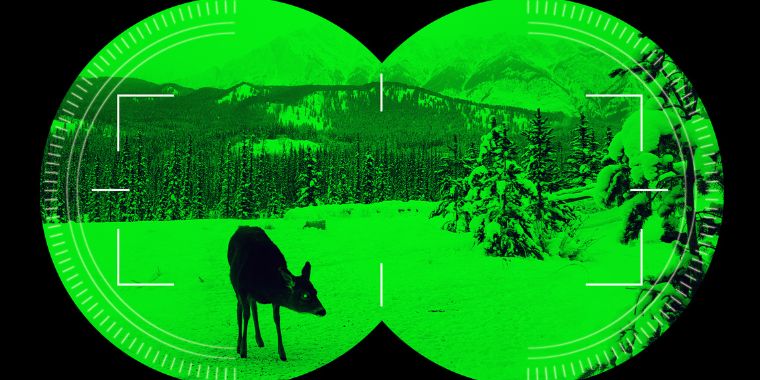
Imagine being able to explore the hidden world of nocturnal creatures, witnessing their secret activities under the cover of darkness. With the help of night vision goggles (NVGs), you have the opportunity to unlock these nocturnal secrets and delve into a new realm of wildlife observation. NVGs provide a unique perspective, allowing you to see in the dark and observe the fascinating behaviors of creatures that only come to life after the sun has set. In this guide, we will explore the wonders of wildlife observation with NVGs, providing you with tips and insights to enhance your nighttime adventures and bring you closer to the mesmerizing world of nocturnal animals.
Understanding NVGs
What are NVGs?
Night Vision Goggles (NVGs) are a vital tool for wildlife observation during low-light conditions. They are designed to enhance visibility in darkness and allow you to see nocturnal animals with clarity. NVGs utilize advanced technology to amplify the existing light and convert it into a visible image, enabling you to explore the mysterious world of nocturnal wildlife. Discover more about NVGs and their capabilities.
How do NVGs work?
NVGs employ a process called image intensification to provide enhanced vision in the dark. They consist of a series of components, including an image intensifier tube, an objective lens, an eyepiece, and a power supply. The objective lens collects the available light and focuses it onto the image intensifier tube, where it is converted into electrons. These electrons are then accelerated and amplified, creating a visible image that is projected onto the eyepiece for you to see. Learn about the Evolution of Infrared Technology in NVGs.
Types of NVGs
There are different types of NVGs available in the market, each with varying features and capabilities. The most common types include head-mounted NVGs and handheld NVGs. Head-mounted NVGs, as the name suggests, are worn on your head, typically connected to a head strap or helmet. They offer hands-free operation and are ideal for extended periods of observation. Handheld NVGs, on the other hand, are portable devices that can be carried in your hand. They provide versatility and are suitable for shorter observation sessions or when you need to move around more freely.
Benefits of using NVGs for wildlife observation
Using NVGs for wildlife observation offers numerous benefits. Firstly, they allow you to venture into the nocturnal world and witness the hidden behaviors of animals that are active during the night. NVGs provide a clearer and brighter view, enabling you to observe the intricate details of nocturnal species, such as their movements, feeding habits, and interactions. Moreover, NVGs enhance safety by providing better visibility in low-light conditions, reducing the risk of accidents or encounters with hazardous wildlife. They also contribute to the conservation efforts by facilitating the collection of valuable data on nocturnal species, their populations, and behaviors, which can be used for research and conservation purposes.
Preparing for Nocturnal Wildlife Observation
Choosing the right NVGs
Selecting the right NVGs for your wildlife observation adventure is crucial. Consider factors such as image clarity, resolution, magnification, and battery life. The image quality should be high, allowing you to see details clearly. Opt for NVGs with a suitable magnification level that suits the environment you will be observing. Battery life is also important, as it determines the duration for which you can use your NVGs before needing to recharge or replace the batteries. Additionally, choose NVGs that are lightweight, comfortable to wear, and durable to withstand the demands of outdoor use.
Learning the regulations and legalities
Before embarking on your nocturnal wildlife observation journey, familiarize yourself with the regulations and legalities surrounding wildlife observation in your area. Some regions may have specific guidelines and restrictions to ensure the protection and well-being of wildlife. Make sure to obtain any necessary permits or licenses required for observing certain protected species. By adhering to the regulations, you contribute to the conservation efforts and ensure a harmonious coexistence between humans and wildlife.
Understanding wildlife behavior at night
To maximize the success of your nocturnal wildlife observation, it is essential to understand the behavior and habits of nocturnal animals. Different species may exhibit distinct behaviors during the night, such as foraging, mating, or territorial displays. Research and learn about the specific nocturnal species you wish to observe, including their preferred habitats, feeding patterns, and activity levels. This knowledge will guide you in selecting appropriate observation locations and increasing the likelihood of encountering nocturnal wildlife.
Essential Gear and Accessories
Head-mounted NVGs
Head-mounted NVGs are a popular choice for wildlife observation due to their convenience and hands-free operation. They typically consist of a set of goggles or a helmet with integrated NVGs. When choosing head-mounted NVGs, consider factors such as comfort, adjustability, and stability. Ensure that the head strap or helmet fits securely and can be adjusted to your head size. Look for models with a stable mounting system to minimize movement and vibrations, which may affect your observation experience. Explore our range of head-mounted NVGs.
Handheld NVGs
Handheld NVGs provide flexibility and mobility when observing wildlife at night. These compact devices are easily handheld and offer ease of use in various scenarios. When selecting handheld NVGs, consider factors such as weight, size, and image quality. Opt for lightweight models that are comfortable to hold for extended periods. Look for NVGs with features such as image stabilization and high-resolution displays, as these will improve your ability to observe and document wildlife in low-light conditions. Check out our handheld NVGs selection.
Additional lighting solutions
In some situations, additional lighting may be necessary to enhance your observation experience. Consider carrying supplementary lighting solutions such as spotlights, headlamps, or flashlights. These can assist in illuminating the surrounding area or specific subjects while keeping your hands free for using your NVGs. When choosing lighting solutions, opt for those with adjustable brightness and beam angles to cater to different observation needs.
Tripods and stabilizers
To ensure steady and stable observation, using tripods or stabilizers can greatly improve the quality of your observations and recordings. Tripods provide a secure and steady base for your NVGs or cameras, reducing the impact of your own movements. Stabilizers, such as monopods or shoulder rigs, help minimize shaking or vibrations that may occur when handholding your NVGs or camera. These accessories assist in capturing clear and detailed images or videos of wildlife, revealing intricate details that would otherwise be difficult to observe.
Thermal imaging cameras
In addition to NVGs, thermal imaging cameras can offer a unique perspective on nocturnal wildlife observation. Unlike NVGs, which rely on ambient light, thermal imaging cameras detect heat signatures emitted by animals, allowing you to perceive their presence even in complete darkness. Thermal imaging cameras can be particularly useful for locating elusive or camouflaged animals, as their thermal signatures can reveal their hidden positions. Consider incorporating a thermal imaging camera into your gear for a comprehensive and diverse wildlife observation experience.
Techniques for Effective Wildlife Observation
Selecting observation locations
Choosing the right observation locations is crucial for successful wildlife observation. Research different habitats and ecosystems known to support diverse nocturnal wildlife. Consider factors such as proximity to water sources, abundance of food, and presence of suitable shelters. Look for natural features such as meadows, forest edges, or wetlands, as these are often frequented by nocturnal species. Additionally, explore sites that have a minimal impact on wildlife and their habitats to ensure responsible observation.
Identifying wildlife signs and traces
Nocturnal wildlife often leave behind signs and traces that can provide valuable information about their presence. Familiarize yourself with common signs, such as tracks, footprints, scat, or feathers. These can indicate the recent activities of nocturnal animals and guide you to potential observation areas. Understanding how to identify and interpret these signs will greatly enhance your ability to locate wildlife and anticipate their behaviors.
Avoiding disturbance to wildlife
Responsible wildlife observation involves minimizing disturbance to the animals and their natural behaviors. Keep a safe distance from the animals and avoid approaching too closely. By using NVGs, you can observe wildlife from a distance without causing stress or disruption. Be mindful of your movements and try to blend into the surroundings to avoid alarming the animals. Remember that the purpose of observation is to appreciate and understand wildlife, not to interfere with their lives.
Patience and staying still
Observing wildlife can require patience and stillness, especially when dealing with nocturnal species. Many nocturnal animals have keen senses and may detect even the slightest movements or sounds. Find a comfortable position or utilize appropriate gear, such as tripods or stabilizers, to minimize any movement. Stay as still as possible and allow the wildlife to become accustomed to your presence. Patience is key when waiting for nocturnal animals to appear or engage in certain behaviors, so be prepared to invest time in your observation sessions.
Using calls and lures
In certain situations, strategic use of calls and lures can aid in attracting wildlife for observation. Research the vocalizations and calls of specific nocturnal species and learn how to mimic them effectively. Calls and lures should be used responsibly and sparingly, as excessive or improper use can disrupt the natural behavior of animals. Consider seeking guidance from experienced wildlife researchers or guides to ensure ethical use of calls and lures during your observation endeavors.
Recording and Documentation
Using night vision cameras
Night vision cameras are valuable tools for capturing the captivating moments and behaviors of nocturnal wildlife. When choosing a night vision camera, consider factors such as image resolution, video capabilities, and ease of use. Look for cameras with high-resolution sensors and low-light performance to produce clear and detailed images. Opt for models that offer video recording functionality to document behaviors that may not be captured in a single photograph. Dive into Night Vision Photography for more insights.
Capturing clear and detailed images
When using a night vision camera, there are several techniques to ensure clear and detailed images. Stability is crucial to minimize blurring, so consider using tripods or stabilizers to steady the camera. Adjust the camera settings, such as ISO, shutter speed, and aperture, to optimize image quality in low-light conditions. Experiment with different angles and compositions to highlight the unique characteristics of each subject. Practice and familiarize yourself with the capabilities of your camera to maximize the potential for exceptional wildlife documentation.
Importance of accurate documentation
Accurate documentation of your wildlife observations is vital for scientific research and conservation efforts. Take note of important details such as the date, time, and location of each observation. Record the species encountered, their behaviors, and any notable interactions. Include relevant environmental factors, such as weather conditions or habitat characteristics, as these can provide valuable context to your observations. Accurate documentation allows researchers and conservationists to understand and protect nocturnal wildlife more effectively.
Keeping records of species and behaviors
Maintain a comprehensive log or database of the species and behaviors you have observed. Categorize your records by species, location, or behavior type to facilitate future analysis. This record can serve as a valuable resource for personal reference, data sharing with scientific organizations or fellow enthusiasts, and contribution to citizen science initiatives. By keeping detailed records, you contribute to the collective knowledge about nocturnal wildlife and support ongoing conservation efforts.
Ethical Considerations
Respecting wildlife habitats
Respecting wildlife habitats is crucial for ethical wildlife observation. Avoid disrupting or damaging sensitive habitats, such as nesting areas or den sites. Stay on designated trails or paths to minimize your impact on the environment. Be aware of your surroundings and avoid stepping on vegetation or disturbing natural structures. By respecting wildlife habitats, you contribute to the preservation of these delicate ecosystems and ensure the long-term survival of the species within them.
Minimizing human impact
Minimizing your own impact on wildlife is essential for responsible observation. Practice a “leave no trace” approach by carrying out any litter or waste you generate during your observation sessions. Avoid introducing non-native species or disturbing the existing wildlife populations. If you encounter nocturnal animals, maintain a safe distance, and observe quietly without causing unnecessary stress or disturbance. Your actions can make a significant difference in preserving the natural behaviors and ecosystems of nocturnal wildlife.
Avoiding interference with natural behavior
During wildlife observation, it is crucial to avoid interfering with the natural behavior of animals. Refrain from feeding or approaching wildlife, as this can disrupt their feeding patterns or create dependence on human presence. Avoid using artificial light sources directly on animals, as this may affect their behavior or vision. Respect the boundaries of wildlife and allow them to exhibit their natural behaviors without human interference. By observing quietly and with minimal impact, you create an environment where wildlife can thrive undisturbed.
Identifying Nocturnal Wildlife
Common nocturnal species
There is a diverse range of nocturnal wildlife that can be observed using NVGs. Some common nocturnal species include owls, bats, foxes, raccoons, and various species of insects. Research the specific species that inhabit your region or the areas you plan to explore to gain a better understanding of their behaviors and characteristics. Each species has unique adaptations and behaviors that enable them to thrive in the dark, making each observation a truly exceptional experience.
Tracks and footprints
Tracks and footprints can provide valuable clues about the presence and behavior of nocturnal wildlife. Invest time in learning how to identify different tracks and footprints left by nocturnal animals. Look for distinctive features such as varying sizes, patterns, or shapes. Study reference guides or seek guidance from experts to improve your track identification skills. By recognizing and interpreting tracks, you can gain insights into the species present in the area and the activities they engage in.
Distinctive calls and sounds
Nocturnal wildlife often communicate using distinctive calls and sounds. Learning to identify these vocalizations can greatly aid in locating and observing nocturnal species. Study the vocalizations of different nocturnal animals, such as owls, frogs, or crickets, to better understand their unique communication methods. Explore resources such as field guides or online recordings to sharpen your listening skills. By recognizing and interpreting the calls and sounds of nocturnal wildlife, you can anticipate their presence and behaviors more effectively.
Physical features and characteristics
Nocturnal animals have evolved various physical features and characteristics that enable them to thrive in low-light conditions. Familiarize yourself with these adaptations to aid in identifying nocturnal species. For example, owls have specialized feathers that allow for silent flight, and bats have wings adapted for echolocation. Understanding the physical features and characteristics of different nocturnal animals will enable you to distinguish them from diurnal species and appreciate their unique attributes.
Safety Precautions
Navigating in low-light conditions
Navigating in low-light conditions requires extra caution and preparation. Before embarking on your wildlife observation endeavor, ensure you have a map or GPS system to help you navigate. Familiarize yourself with the area during daylight hours to identify potential hazards or challenging terrain. Carry a reliable flashlight or headlamp to illuminate your surroundings and aid in navigation. Take note of potential obstacles such as tree roots, rocks, or uneven terrain to minimize the risk of accidents or injuries.
Awareness of potential hazards
Nocturnal wildlife observation may expose you to various hazards and risks. Be aware of potential encounters with venomous or aggressive species, such as snakes or large mammals. Carry appropriate wildlife deterrents, such as bear spray or snake gaiters, if necessary. Insect repellents may also be useful in areas with high mosquito or tick populations. Stay updated on weather conditions and be prepared for changes in temperature or precipitation. By being aware of potential hazards, you can mitigate risks and ensure a safe and enjoyable wildlife observation experience.
Protecting eyes and ears
Safeguarding your eyes and ears during nocturnal wildlife observation is crucial. Wear protective eyewear, such as goggles or glasses, to shield your eyes from debris, branches, or airborne particles. Additionally, consider using ear protection, such as earmuffs or earplugs, especially if you anticipate exposure to loud sounds or noise, such as from fireworks or gunshots. Protecting your eyes and ears ensures your safety and ensures that you can fully appreciate the wonders of the nocturnal wildlife world.
Working in groups or informing others about your plans
When embarking on nocturnal wildlife observation, consider working in groups or informing others about your plans. Observing wildlife at night can be challenging and unpredictable, so having a companion or group of fellow enthusiasts enhances both safety and enjoyment. If going alone, ensure that someone knows your intended location and estimated return time. Establish communication methods, such as mobile phones or radios, to stay connected with your companions or to seek assistance if needed. By working in groups or informing others about your plans, you provide an added layer of safety and support.
Conservation and Preservation
Supporting wildlife conservation efforts
Nocturnal wildlife observation provides a unique opportunity to contribute to wildlife conservation efforts. By actively observing and documenting species, behaviors, and habitat characteristics, you increase the available information for scientific research and conservation initiatives. Share your observations and findings with local wildlife organizations, conservation groups, or research institutions. Consider participating in citizen science projects that focus on collecting data on specific species or areas. By actively supporting wildlife conservation efforts, you play a crucial role in preserving the diverse nocturnal species that grace our planet.
Reporting unusual or rare sightings
If you come across unusual or rare sightings during your nocturnal wildlife observation, report them to relevant wildlife authorities or conservation organizations. Uncommon or unexpected observations can provide valuable insights into population dynamics, distribution, or potential threats to specific species. Your contribution may help researchers gather vital data for conservation and management actions, ensuring the long-term survival of these unique and elusive species.
Contributing data to scientific research
Nocturnal wildlife observation can be a valuable source of data for scientific research. Consider sharing your observations and records with researchers or participating in specific research projects. Your data, whether it be species sightings, behaviors, or environmental factors, can enhance scientific understanding and contribute to ongoing research efforts. Collaborate with local universities, research institutions, or online platforms dedicated to wildlife observation and citizen science. By contributing to scientific research, you actively contribute to the conservation and preservation of nocturnal wildlife.
Training and Skill Development
Joining wildlife observation groups
Joining wildlife observation groups or associations can provide valuable opportunities for skill development and knowledge sharing. These groups often organize workshops, field trips, and training sessions focused on wildlife observation techniques, species identification, and ethical practices. Engaging with fellow enthusiasts and experts in the field allows you to learn from experienced individuals and exchange insights and tips. Wildlife observation groups foster a supportive community that shares a passion for the natural world.
Attending workshops and courses
Attending specific workshops or courses dedicated to wildlife observation can enhance your skills and knowledge in this field. Look for workshops or courses that cover topics such as wildlife tracking, species identification, and nocturnal observation techniques. These educational programs may be offered by wildlife organizations, universities, or professional nature guides. Learning from experts and gaining practical experience through hands-on activities or fieldwork deepens your understanding and boosts your confidence in observing nocturnal wildlife.
Developing fieldcraft skills
Fieldcraft skills are essential for successful wildlife observation, especially at night. Focus on developing skills such as stealth, camouflage, and patience. Learn how to blend into your surroundings, move quietly, and remain inconspicuous to the animals you wish to observe. Practice your awareness of the environment and the behaviors of different species. Cultivating these fieldcraft skills enhances your ability to approach wildlife undetected and increases your chances of witnessing captivating behaviors.
Improving nocturnal observation techniques
Continuous improvement of your nocturnal observation techniques is key to enhancing your overall experience and results. Experiment with different strategies such as adjusting your observation locations, varying the time of night, or using different equipment setups. Learn from each observation session and reflect on successes and challenges. Adapt your techniques accordingly to refine your skills and maximize the potential for remarkable wildlife encounters. With dedication and practice, you can become a proficient nocturnal wildlife observer, unlocking the secrets of the night.
- How to Overcome Common NVG Challenges
- Nightfox Red HD Infrared Night Vision Goggles Review

- Maximizing NVG Usage: Effective Eye Training Techniques

- Understanding the Difference: Night Vision vs. Thermal Vision

- DIY Maintenance for NVGs – Keeping Your Night Vision Goggles in Top Shape

[the_ad_group id=”9210″]